


Stretch marks are one of the most searched skin concerns worldwide — and also one of the most misunderstood. Prevention advice ranges from helpful to completely ineffective, and treatment options are presented with wildly inconsistent honesty.
As a skin specialist and PMU artist based in Gangnam, Seoul, I work with clients on stretch mark revision regularly. Here’s a straightforward, evidence-based guide on what you can actually do.
Can Stretch Marks Be Prevented?
Partially. Genetics play a significant role — if your mother developed stretch marks during pregnancy, your risk is meaningfully higher regardless of what you apply to your skin. Skin elasticity, hormonal profile, and how rapidly your body changes all contribute.
That said, there are steps that genuinely reduce risk or severity:
1. Manage the rate of change Stretch marks form when skin stretches faster than it can adapt. Gradual weight gain, gradual muscle building, and gradual growth give skin more time to adjust. This is especially relevant during pregnancy — steady, appropriate weight gain is protective.
2. Keep skin hydrated from inside and outside Dehydrated skin is less elastic and less resilient. Drink adequate water. Use a body moisturizer consistently — not as a miracle cure, but as maintenance for skin condition.
3. Topical ingredients with actual evidence
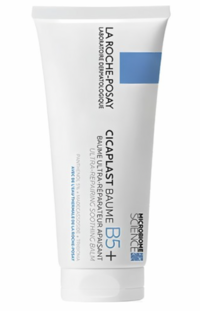
- Centella asiatica (CICA): Supports collagen synthesis and skin barrier function
- Hyaluronic acid: Boosts skin moisture and plumpness
- Tretinoin (retinoid): Has evidence for improving early-stage (red/purple) stretch marks by stimulating collagen — not recommended during pregnancy
- Vitamin C: Supports collagen production as an antioxidant
Note: Most over-the-counter stretch mark creams (including those marketed specifically for pregnancy) have weak clinical evidence. The key ingredients above are what actually matter — not the brand name on the label.
4. Nutrition that supports skin elasticity
- Vitamin C (citrus, bell peppers)
- Zinc (seeds, legumes, meat)
- Protein — collagen is protein; skin needs amino acid building blocks
- Omega-3 fatty acids (skin barrier support)
When Prevention Isn’t Enough
If you already have stretch marks — particularly the white, silver, or skin-toned marks that have fully matured — prevention strategies will have no effect on them. These marks have already undergone scar formation.
Your options at that stage are clinical:
Microneedling / Inkless revision Creates micro-trauma that stimulates collagen remodeling in the scar tissue. Over multiple sessions, the marks become shallower and blend more closely with surrounding skin. At urGlow, I perform this as an inkless procedure — no pigment, just mechanical stimulation.
Stretch mark camouflage tattooing A skin-tone pigment is tattooed into the scar to make it visually match the surrounding area. This is more effective on mature marks but is a permanent change and requires precise color matching. Not available at urGlow (I focus on inkless revision), but it’s a legitimate option with a skilled artist.
Laser therapy Fractional lasers (like Fraxel or CO2) stimulate collagen remodeling similarly to microneedling but at a different depth. Effective but expensive, with more downtime and more risk on darker skin tones.
Topical retinoids For red or pink stretch marks (early stage), prescription tretinoin can meaningfully reduce appearance by promoting collagen. Minimal effect on mature, white marks.
What Doesn’t Work
- Cocoa butter and shea butter (no clinical evidence for stretch mark treatment, though they maintain skin hydration)
- Vitamin E oil alone (marginal evidence, frequently overhyped)
- Body brushing or dry brushing (no evidence)
- Any single topical product marketed specifically as a “stretch mark eraser”
Frequently Asked Questions
I’m pregnant — what can I safely use? Keep it simple: well-formulated body moisturizer with hyaluronic acid or centella asiatica, used consistently. Avoid retinoids. Focus on hydration and managing weight gain within recommended ranges.
Do stretch marks fade on their own? They change over time — going from red or purple to silver or white — but they do not disappear. The texture and structural change to the skin remains.
Can I get inkless revision while breastfeeding? No. I recommend waiting until you’ve finished breastfeeding to undergo any needling procedure, as healing and immune response are altered during that period.
Is inkless revision available in Seoul? Yes. I offer stretch mark revision using an inkless technique at urGlow in Gangnam, Seoul. Pricing is USD $185 per 15cm treatment area. Book at urglow.com.
How many sessions will I need? Between 2 and 5, spaced 6–8 weeks apart, depending on the severity and location of your marks.









Read the Comments +