

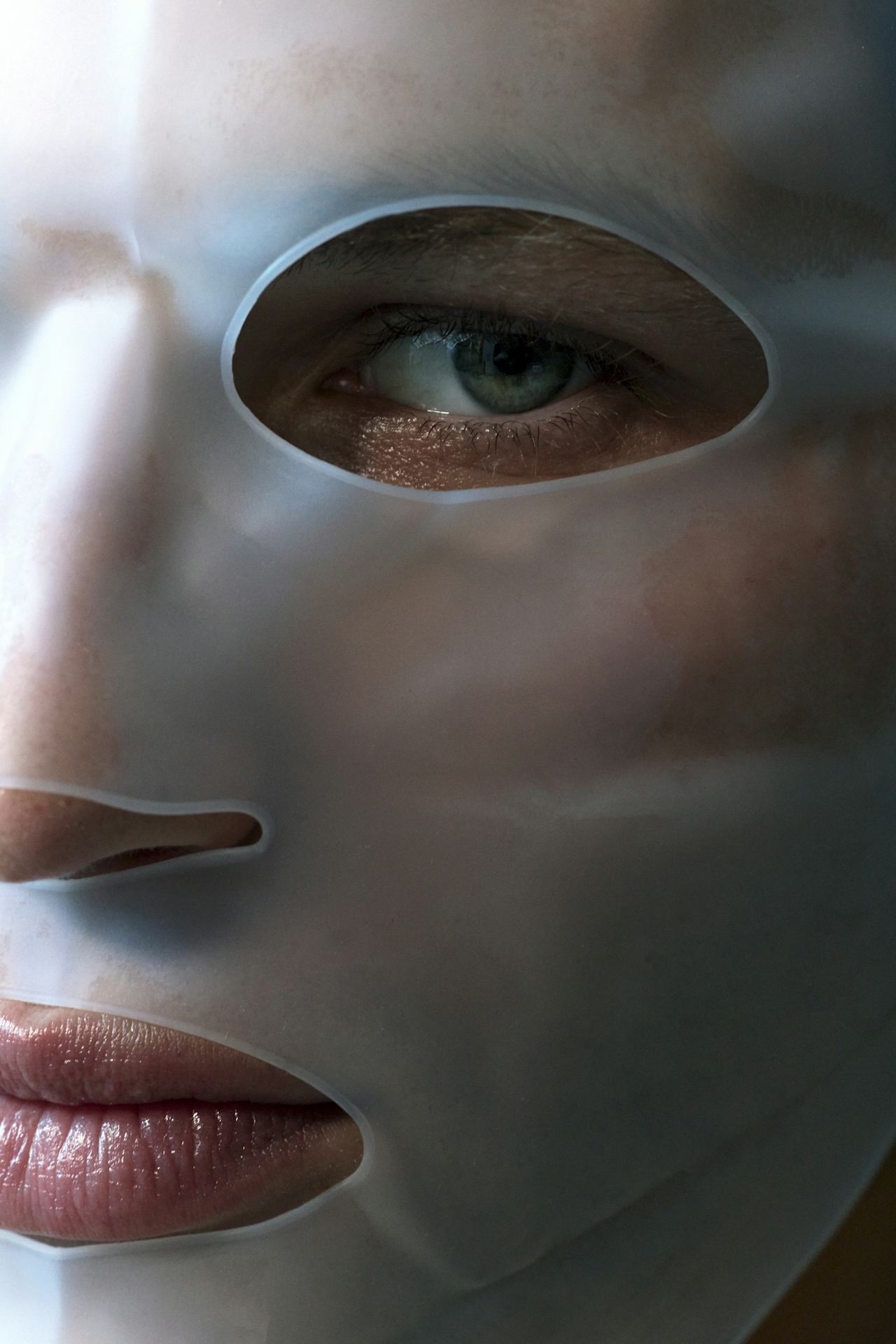
The world buys K-beauty by the bottle. In Seoul, it works differently.
I moved to Seoul from Brazil in 2015, and it took me about a year to see that Korean women were not doing what the internet said they were doing. The ten-step routine had already gone viral back home. My friends collected essences and sheet masks like souvenirs from a trip they hadn’t taken. What I found in Seoul was quieter and much harder to package. Skincare here sits closer to brushing your teeth than to shopping. It is a habit, not a haul.
That one distinction changes how you read everything else about Korean beauty.
Walk through Gangnam and the dermatology clinics blend into the street. They sit between the coffee shops and the convenience stores, on ordinary blocks, and people visit them the way they visit a hair salon. A woman in her thirties might see a dermatologist a few times a year, the way she sees a dentist, to maintain rather than to repair. She books a gentle laser, a hydrating treatment, a check on pigmentation before summer arrives. She is protecting the face she already has, across decades.
That patience is what the rest of the world photographs and calls glass skin.
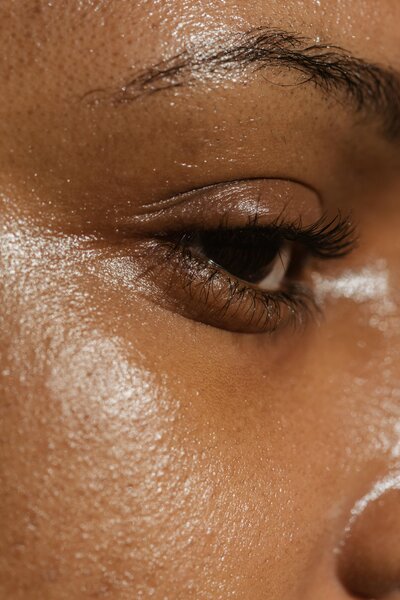
Glass skin reads abroad as a finish line, a look you achieve once and post. In Seoul it reads as evidence. It shows that someone guarded her barrier, wore sunscreen every day for years, and left her face alone long enough to let it settle. You cannot shortcut the result, because the result is mostly time applied with care. The glow is a receipt.
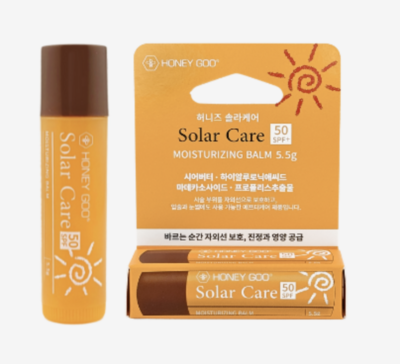
Sunscreen deserves its own paragraph, because it is the step nobody markets well. In Seoul, sunscreen is not a July product. Women reapply it in December. They keep a tube in the bag, another at the desk, a cushion compact for touch-ups over makeup. Korean formulas earned their reputation for one honest reason: they feel like nothing, so people actually keep them on. A sunscreen you forget you are wearing is a sunscreen you wear for ten years. That is the entire trick, and it is not glamorous.
The famous routine gets misread abroad as excess. Up close, it looks like editing. A woman who has done this for fifteen years keeps the three or four steps her skin responds to and quietly drops the rest. The maximalist phase belongs to beginners. Fluency looks minimal, almost boring, and it works.
The industry is walking in the same direction. The newest Korean launches lean toward fewer and smarter products: one serum that does the job of three, a moisturizer with real sun protection built in, ingredients chosen for what they demonstrate instead of what they suggest. K-beauty spent a decade teaching the world to layer. Now it is teaching restraint, and the export shelves are only beginning to catch up.
None of this photographs as well as a row of pastel bottles, and that is exactly why it matters. The most useful thing I can tell a reader outside Korea is that the secret was never the products. It was the patience. Buy the sunscreen, then wear it for ten years. Everything after that is detail.
Loma Sernaiotto is a Brazilian beauty entrepreneur based in Seoul since 2015 and the founder of urGlow, a reservation-only studio in Gangnam. She holds an MBA in Beauty Business, trained in cosmetic formulation with Formula Botanica, and studies K-Beauty Industry Convergence at Konkuk University. She writes about Korean beauty, medical tourism, and the craft of permanent makeup.









Read the Comments +